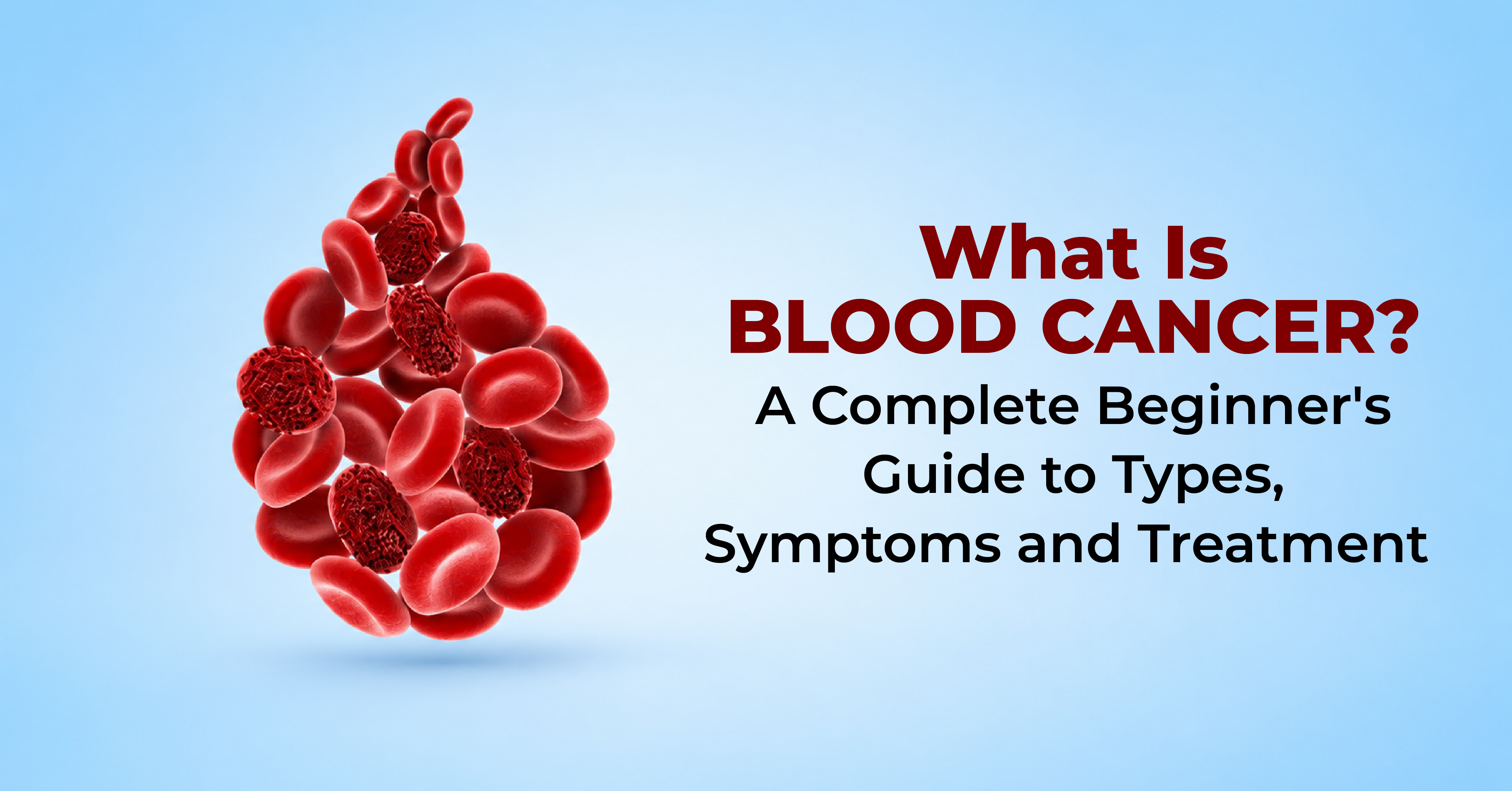
What Is Blood Cancer? A Complete Beginner's Guide to Types, Symptoms
Dr Stitha Pragna | 26 Jun 2026Share:

What exactly is blood cancer? How does it affect the body? What treatments are available? Most importantly, what can be done to improve outcomes?
The good news is that blood cancer treatment has advanced significantly in recent years. With improved diagnostic methods, targeted therapies, immunotherapy, and stem cell transplantation, many patients are living longer and healthier lives than ever before.
This guide explains blood cancer in simple terms, helping patients and their families better understand the disease and the available treatment options.
Blood cancer is a group of cancers that affect the blood, bone marrow, and lymphatic system. Understanding the different types of blood cancer, their symptoms, and available treatment options can help patients and families make informed healthcare decisions.
What Is Blood Cancer?
Blood cancer is a type of cancer that affects the blood, bone marrow, or lymphatic system. It occurs when abnormal blood cells begin growing uncontrollably and interfere with the production and function of healthy blood cells.
Healthy blood cells play essential roles in the body:
- Red blood cells carry oxygen to tissues and organs.
- White blood cells help fight infections.
- Platelets help blood clot and prevent excessive bleeding.
When cancer affects these cells, the body's ability to function normally becomes compromised.
Patients seeking specialised Blood Cancer Treatment can benefit greatly from early diagnosis and expert care.
Understanding the Main Types of Blood Cancer
Blood cancer is not a single disease. The three main types—leukemia, lymphoma, and multiple myeloma—affect blood cells in different ways and require individualized treatment approaches.
Leukemia
Leukemia starts in the bone marrow, where blood cells are produced. It causes the body to make large numbers of abnormal white blood cells that cannot fight infections effectively.
As these abnormal cells multiply, they crowd out healthy blood cells and interfere with normal blood production.
Common symptoms include:
- Fatigue
- Frequent infections
- Fever
- Easy bruising
- Bone pain
Patients diagnosed with leukemia often require personalized Leukemia Treatment depending on the type and stage of the disease.
Lymphoma
Lymphoma affects the lymphatic system, which is part of the body's immune system.
This cancer develops when lymphocytes, a type of white blood cell, begin growing uncontrollably. Lymphoma can affect lymph nodes, the spleen, bone marrow, and other parts of the body.
Common symptoms include:
- Swollen lymph nodes
- Night sweats
- Unexplained weight loss
- Fever
- Persistent tiredness
Modern Lymphoma Treatment options have improved outcomes significantly, particularly when diagnosed early.
Multiple Myeloma
Multiple myeloma develops in plasma cells, which help the body produce antibodies to fight infections.
As cancerous plasma cells accumulate, they can damage bones, weaken immunity, and affect kidney function.
Common symptoms include:
- Bone pain
- Frequent infections
- Weakness
- Kidney-related problems
- Anaemia
Specialised Multiple Myeloma Treatment focuses on controlling the disease and improving quality of life.
What Causes Blood Cancer?
The exact cause of blood cancer is often unknown. However, certain factors may increase the risk of developing the disease.
These risk factors include:
- Family history of blood cancer
- Exposure to high levels of radiation
- Certain chemical exposures
- Smoking
- Previous chemotherapy treatment
- Genetic conditions
- Weakened immune system
It's important to remember that many people diagnosed with blood cancer have no obvious risk factors.
Common Symptoms of Blood Cancer
Symptoms can vary depending on the type of blood cancer, but several warning signs are commonly reported.
Persistent Fatigue
One of the earliest signs of blood cancer is ongoing tiredness that doesn't improve with rest.
Patients often describe feeling exhausted even after sleeping well.
Frequent Infections
Because blood cancer affects white blood cells, the body's ability to fight infections may be reduced.
Recurring colds, fevers, and infections should not be ignored.
Unexplained Weight Loss
Sudden weight loss without changes in diet or exercise can sometimes indicate an underlying health condition, including blood cancer.
Swollen Lymph Nodes
Painless swelling in the neck, armpits, or groin is often associated with lymphoma.
Easy Bruising and Bleeding
Low platelet counts can cause:
- Frequent nosebleeds
- Bleeding gums
- Easy bruising
- Small red spots on the skin
Bone and Joint Pain
Pain in the back, hips, or legs can occur when abnormal cells build up inside the bone marrow.
Fever and Night Sweats
Many patients experience recurring fever and night sweats.
These symptoms should always be evaluated by a healthcare professional if they persist.
How Is Blood Cancer Diagnosed?
Early diagnosis plays a vital role in improving treatment outcomes.
Doctors may use several tests to diagnose blood cancer, including:
Complete Blood Count (CBC)
A blood test that measures the levels of red blood cells, white blood cells, and platelets.
Bone Marrow Biopsy
A sample of bone marrow is examined to identify abnormal cells.
Flow Cytometry
This test helps specialists classify different types of blood cancer.
Imaging Scans
CT scans, PET scans, and MRI scans may be used to determine the extent of the disease.
Genetic Testing
Certain genetic abnormalities can help doctors select the most effective treatment plan.
An accurate blood cancer diagnosis helps specialists develop personalized treatment strategies for every patient.
Treatment Options for Blood Cancer
The treatment plan depends on the specific type of blood cancer, its stage, and the patient's overall health.
Chemotherapy
Chemotherapy is one of the most commonly used blood cancer treatment options. It uses medicines to destroy cancer cells or slow their growth.
Targeted Therapy
Targeted therapy focuses on specific proteins or genetic changes that drive cancer growth.
Immunotherapy
Immunotherapy helps the body's immune system identify and attack cancer cells more effectively.
Bone Marrow Transplant
A Bone Marrow Transplant replaces damaged bone marrow with healthy stem cells.
This treatment is often recommended for certain types of leukemia, lymphoma, and multiple myeloma.
CAR-T Cell Therapy
CAR-T Cell Therapy is one of the most advanced treatment options for blood cancer.
This innovative treatment modifies a patient's immune cells to recognise and attack cancer cells more effectively.
Can Blood Cancer Be Cured?
Many blood cancers can be successfully treated, and some patients achieve long-term remission or cure.
Success depends on several factors, including:
- Type of blood cancer
- Stage at diagnosis
- Patient's age
- Overall health
- Response to treatment
This is why early diagnosis and timely intervention are so important.
Living Well During and After Treatment
A blood cancer diagnosis affects more than physical health. Patients may face emotional, social, and financial challenges throughout treatment.
Many people find it helpful to:
- Follow a healthy diet
- Stay physically active when possible
- Attend regular follow-up appointments
- Seek emotional support from family and support groups
- Discuss concerns openly with their healthcare team
With proper support and treatment, many patients continue to lead fulfilling lives.
When Should You See a Specialist?
If you experience symptoms such as persistent fatigue, unexplained weight loss, frequent infections, swollen lymph nodes, or unusual bleeding, it's important to seek medical advice.
Early assessment by a blood cancer specialist can lead to faster diagnosis and better treatment outcomes.
Patients concerned about symptoms should consider scheduling a consultation and book an appointment with an experienced specialist.
Final Thoughts
Blood cancer is a complex group of diseases that affects the blood, bone marrow, and immune system. While the diagnosis can be challenging, advances in modern medicine have transformed the way blood cancers are diagnosed and treated.
Understanding the symptoms, risk factors, and available treatment options empowers patients and families to make informed healthcare decisions.
Early diagnosis, expert medical care, and access to advanced treatments can make a significant difference in patient outcomes and quality of life.
Frequently Asked Questions
1. What are the first signs of blood cancer?
Common early symptoms include fatigue, frequent infections, unexplained weight loss, easy bruising, swollen lymph nodes, and recurring fever.
2. Can blood cancer be cured?
Some blood cancers can be cured, while others can be effectively managed with treatment and achieve long-term remission.
3. What are the three main types of blood cancer?
The three main types are leukemia, lymphoma, and multiple myeloma.
4. How is blood cancer diagnosed?
Doctors may use blood tests, bone marrow biopsy, imaging scans, flow cytometry, and genetic testing to diagnose blood cancer.
5. What treatments are available for blood cancer?
Treatment options may include chemotherapy, targeted therapy, immunotherapy, bone marrow transplant, and CAR-T cell therapy.